
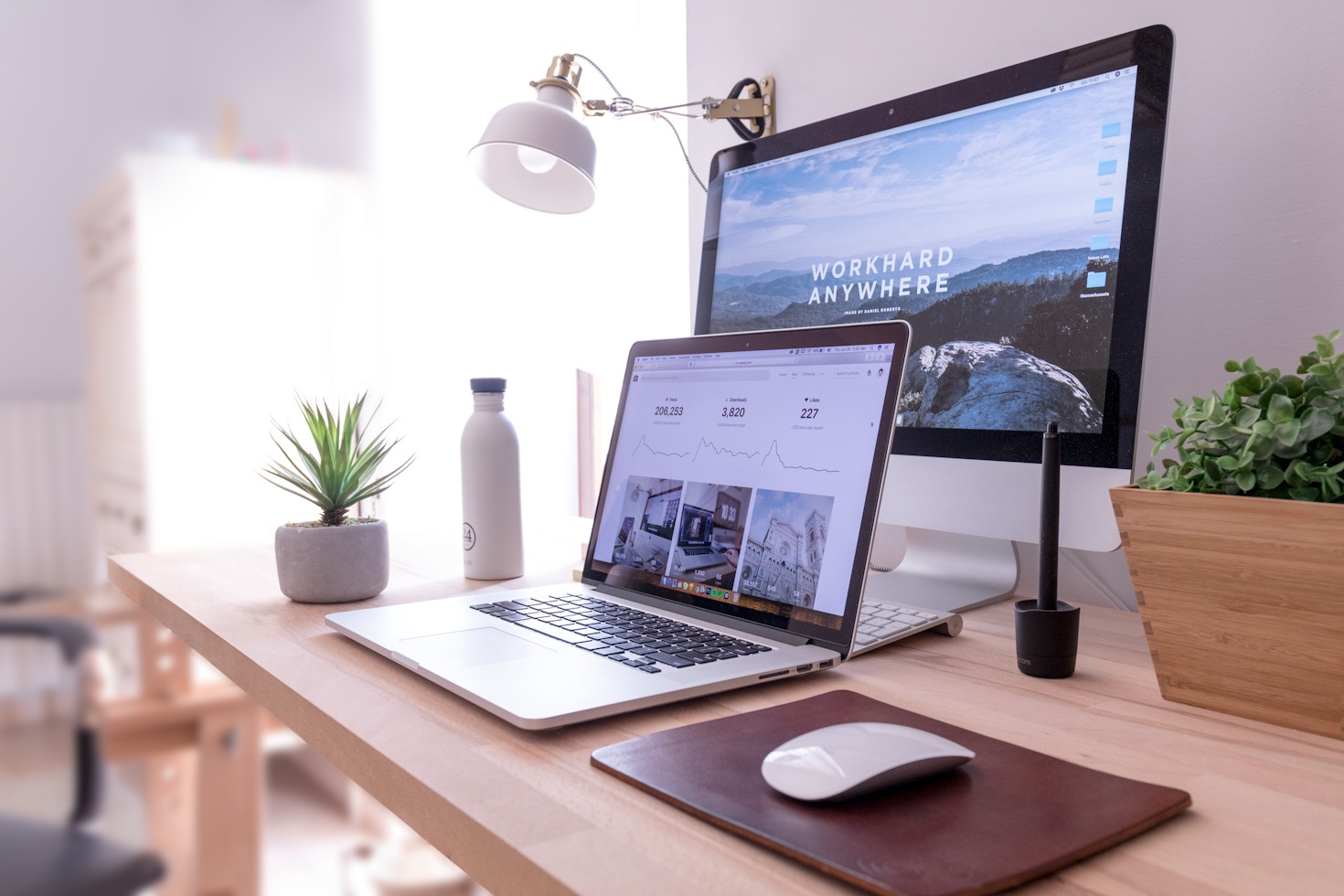
I didn’t move onto a boat to become more productive.
I did it for peace, simplicity, and a life that felt more grounded and intentional. What I didn’t expect was how profoundly it would change the way I think, solve problems, and work creatively.
Living on the water slows everything down in the best possible way. There are no constant sirens, no rush-hour energy, no endless stream of interruptions. Instead, there’s weather, light, tide, quiet, routine — and time to actually think.
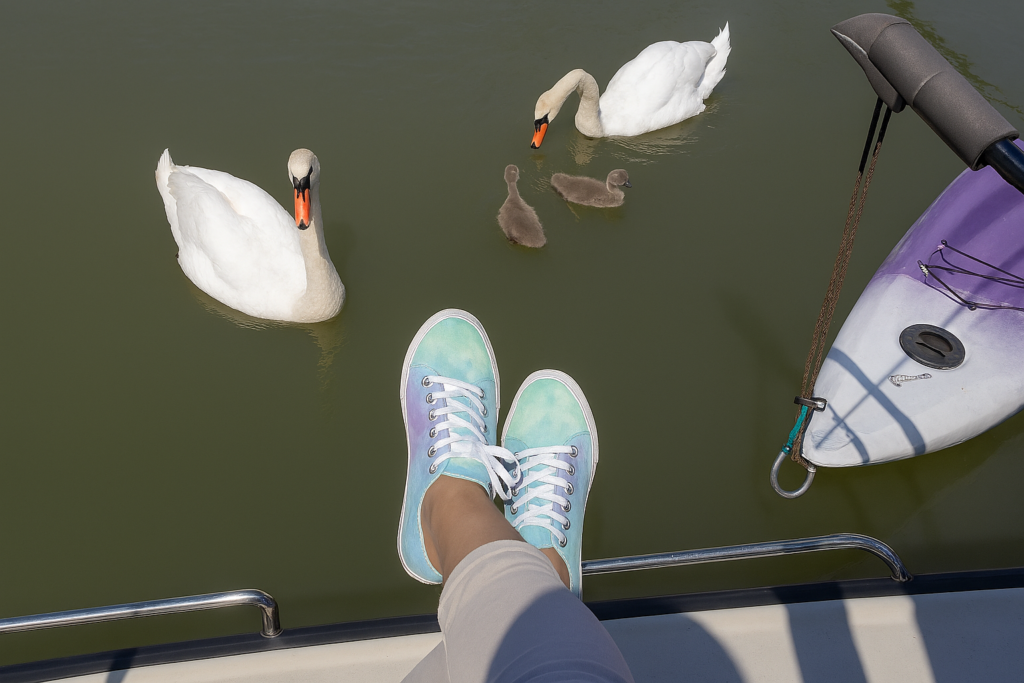
I have often had my best ideas while filling my water tank or sitting outside on my step having breakfast, watching the birds on the water or boats getting ready for the day ahead.
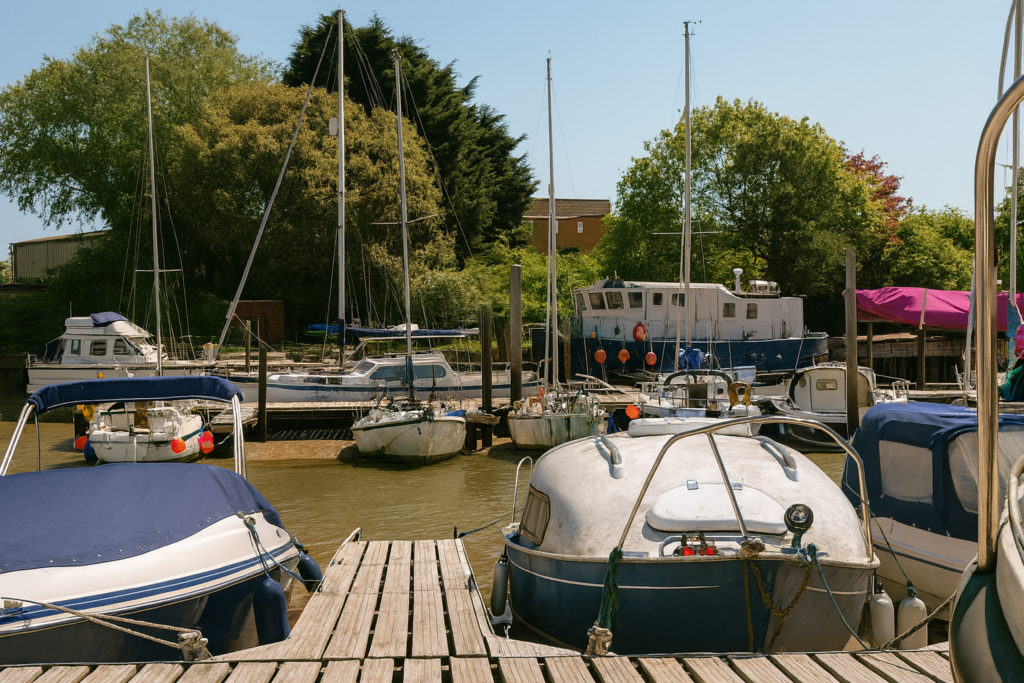
Over time, I began to notice something surprising: the calmer and simpler my environment became, the clearer my thinking grew too. And with that clarity came better ideas, better decisions, and a much more creative approach to problem solving — especially in my work with technology, learning design, and digital change.
On land, it’s easy to live in a permanent state of mild urgency. Notifications, traffic, schedules, emails, noise — they keep your nervous system slightly activated all the time.
On a boat, life has a slower rhythm. You notice the light changing. You listen to the water. You plan around weather. You do things one at a time.
That slower pace doesn’t make you less productive — it makes your thinking deeper. And deeper thinking is where creative problem solving actually lives.
Sometimes, if I’m working on a tough challenge, like trying to find an error in a very large and very messy spreadsheet, or coming up with a strategy to give a client’s business a jump-start, I will park it for a while and go and do some mundane but necessary chores. This often results in a break-through moment, where I have to stop what I’m doing and go and make notes.
When you remove constant background noise — both literal and digital — something interesting happens. Your mind starts to connect dots on its own.
Ideas surface while making tea, walking the pontoon, watching the water, or doing something ordinary and repetitive.
I began solving problems without consciously trying to. The answers just arrived fully formed — not because I was trying harder, but because I was finally quiet enough to hear them.

Living on a boat quietly trains you to think in systems.
You become aware that everything is connected. If you use too much power in one place, something else stops working. If storage is badly organised, daily life becomes harder than it needs to be.
That way of thinking has directly shaped how I approach technology and digital change. I don’t look at tools in isolation — I look at how they fit into people’s real lives and workflows.
I feel more like myself living this way and I think I work better because of it.
Boat life has made me a calmer problem solver.
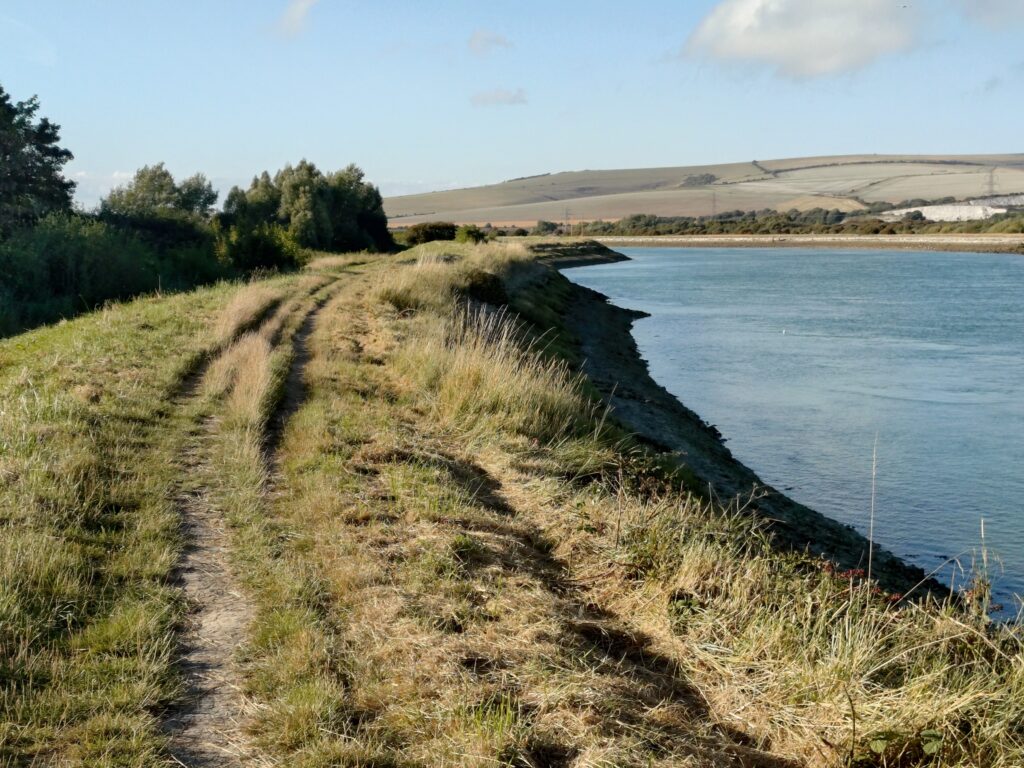
I don’t rush to tools, features, or fixes. I slow down. I listen. I look at the whole picture. I help people understand what’s really going on before we change anything.
That approach consistently produces better results — not just technically, but emotionally too. People feel more confident, less overwhelmed, and more in control of their digital world.
Living on the water hasn’t just changed where I live. It’s changed how I think, how I work, and how I solve problems.
In a world that’s constantly rushing, I’ve learned that the most creative answers usually arrive when you finally slow down.
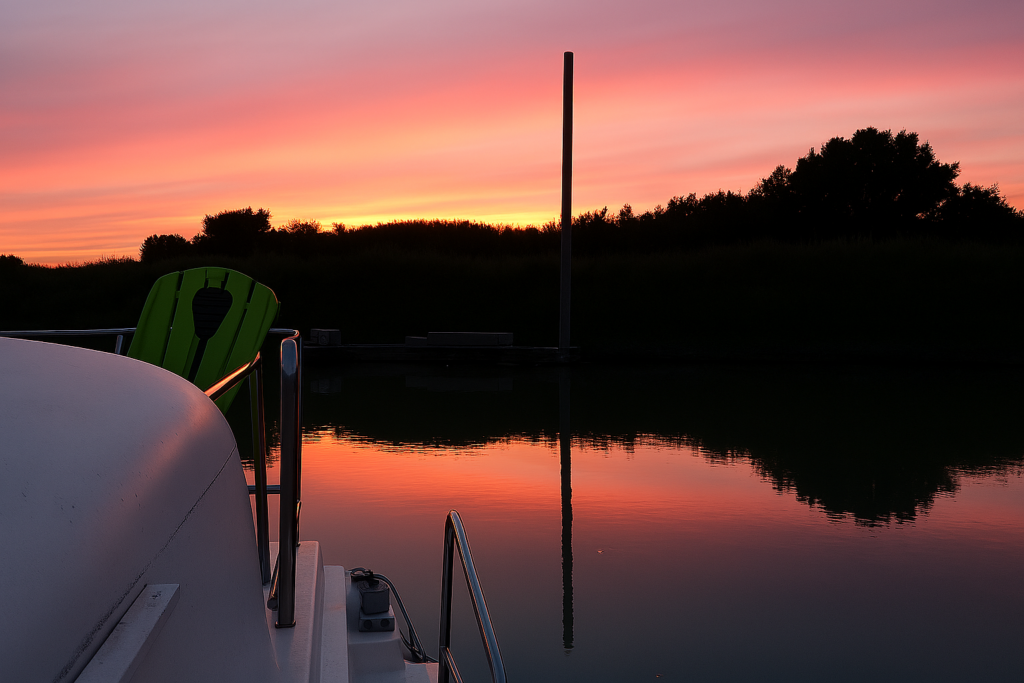
Bounty Bay isn’t just where I live. It’s the place my thinking finally learned how to breathe, and my creativity bloomed.

Leave a Reply